Pilot stage rebuild
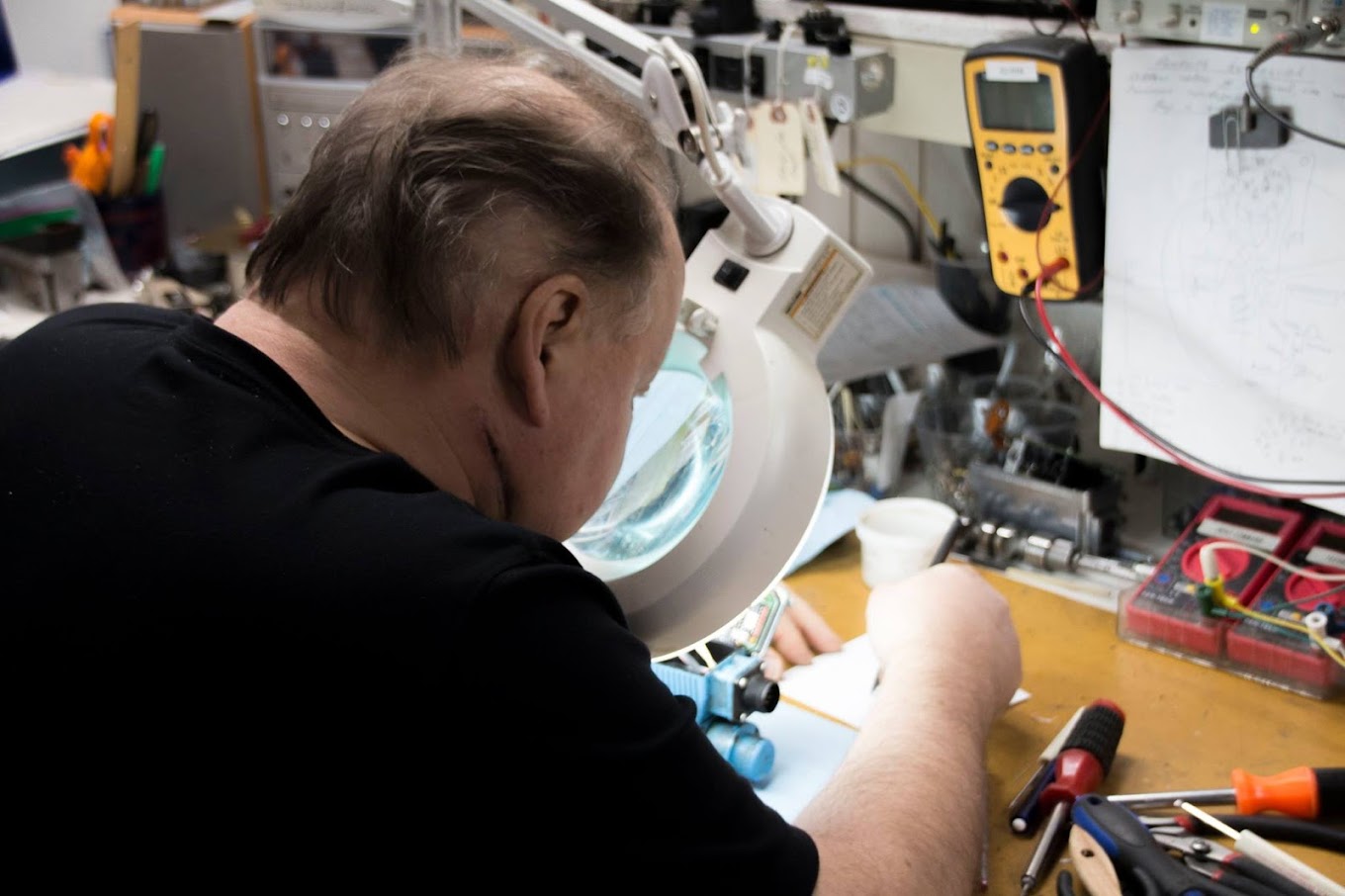
Torque motor pilot stages, nozzle flapper assemblies, and pilot trim cleaned and aligned against documented procedures.
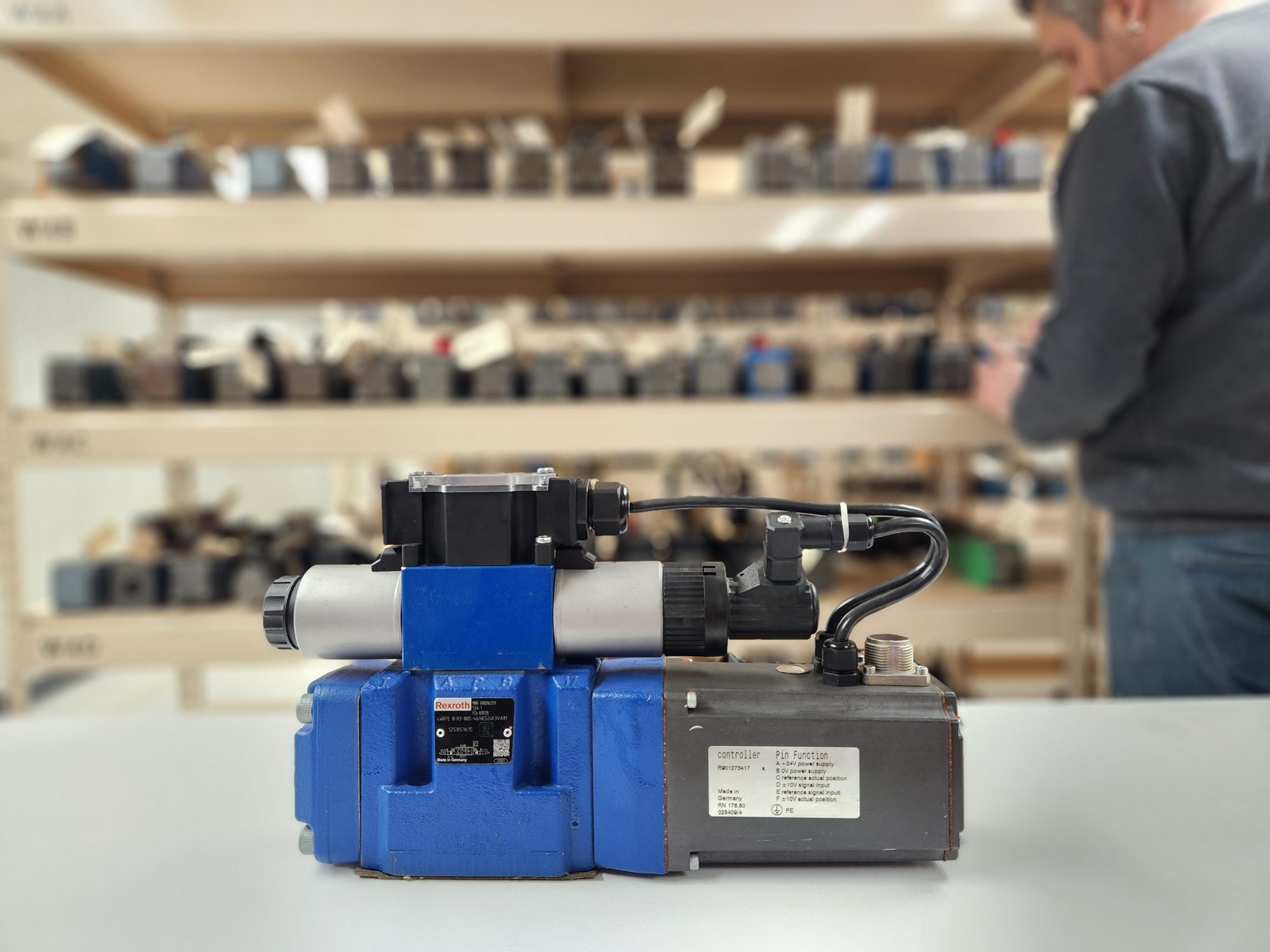
Independent third-party repair of commercial servo valves and electronic control modules used in armored-vehicle turret stabilization, gun laying, and weapon-positioning hydraulics. M1 Abrams, Bradley, and Stryker platforms run Moog, Parker, and Rexroth bodies. Those bodies come through for component-level rebuild, alongside related fire-control electronics.
Where These Valves Sit
The servo valves on tracked armor are commercial Moog, Parker, and Rexroth bodies, not classified components. Below are the four common contexts seen at the bench.
Servo valves on M1 Abrams and Bradley turret elevation and azimuth loops. High-bandwidth response on stabilization-on-the-move duty.
Hydraulic servo valves driving gun-laying actuators on main armament and secondary weapon stations.
Howitzer azimuth, elevation, and ramming hydraulics on self-propelled artillery platforms.
Proportional valves on chassis-stabilization hydraulics across rough cross-country movement on Stryker and modern IFV platforms.
What NC Servo Does
Each unit is opened, inspected, and rebuilt at the component level. Failed parts come from inventory or from donor units. Bench verification before ship.
Torque motor pilot stages, nozzle flapper assemblies, and pilot trim cleaned and aligned against documented procedures.
Spool wear, contamination scoring, and lap restoration on Moog Type 30 Defense Series and Moog 760 valve bodies.
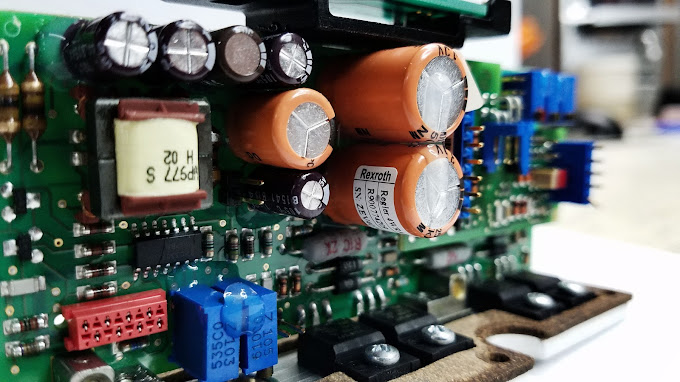
Burned coil rebuild, feedback wire repair, and LVDT verification on closed-loop turret-control bodies.
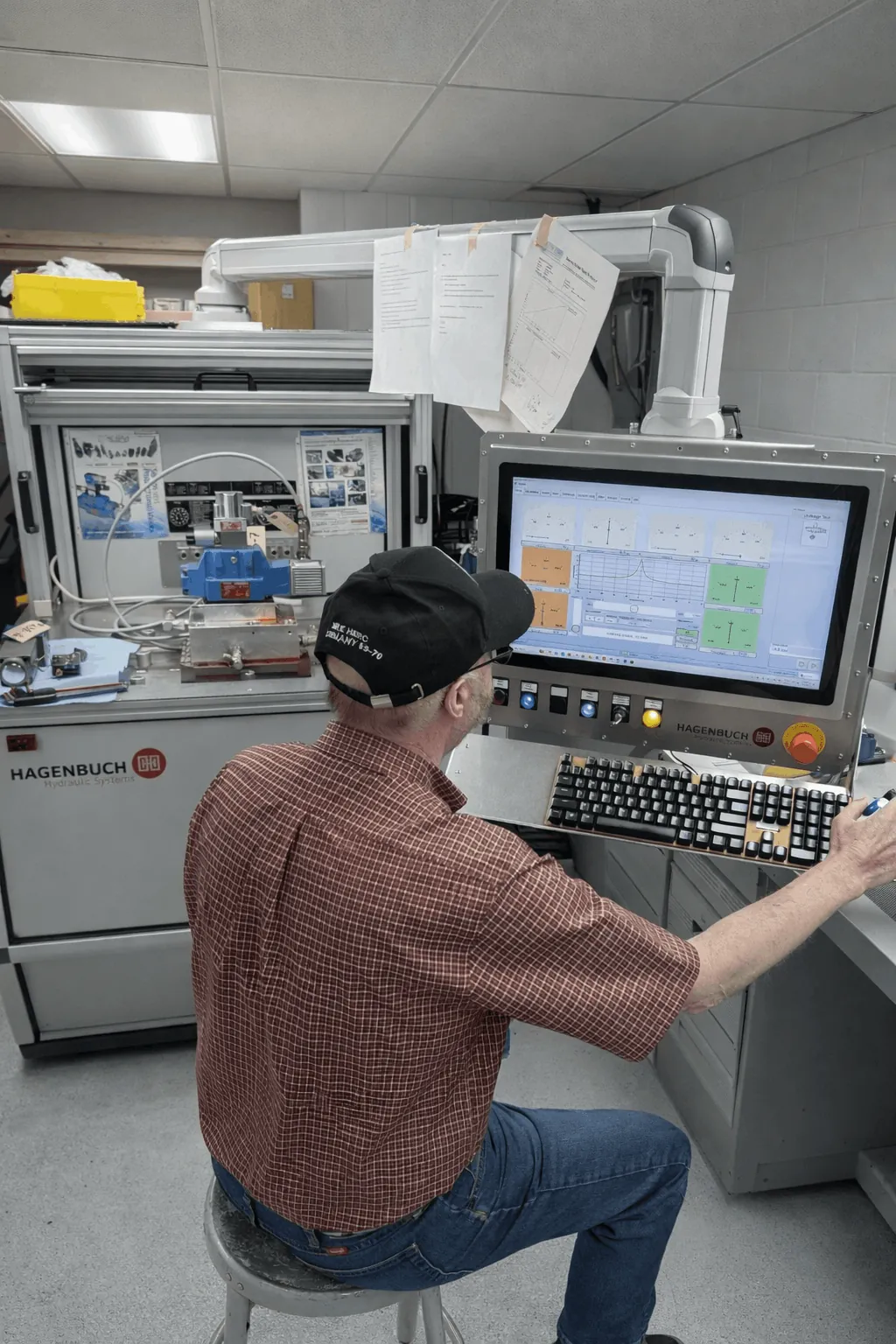
Hagen-Busch and older-style hydraulic stands. Frequency response, hysteresis, and step response data on request.
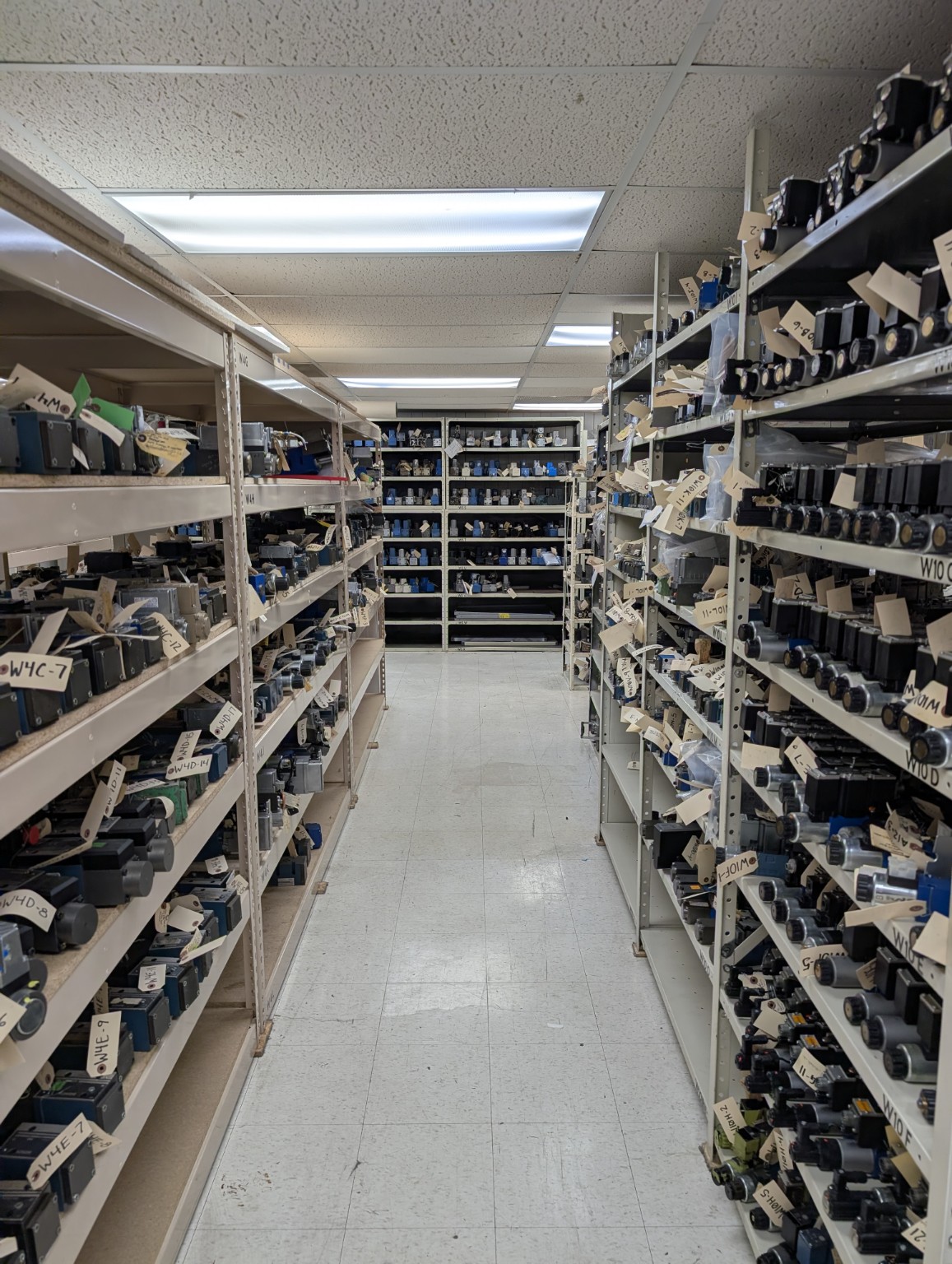
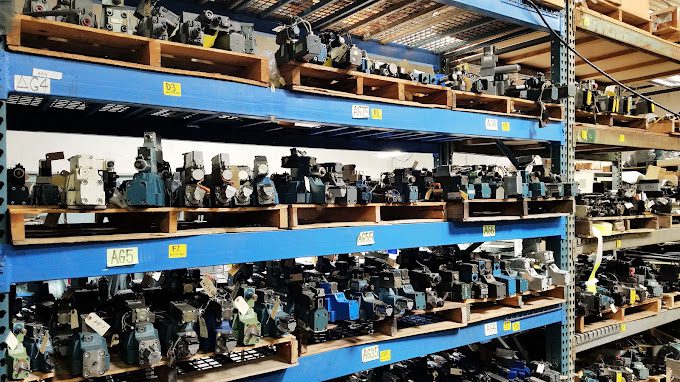
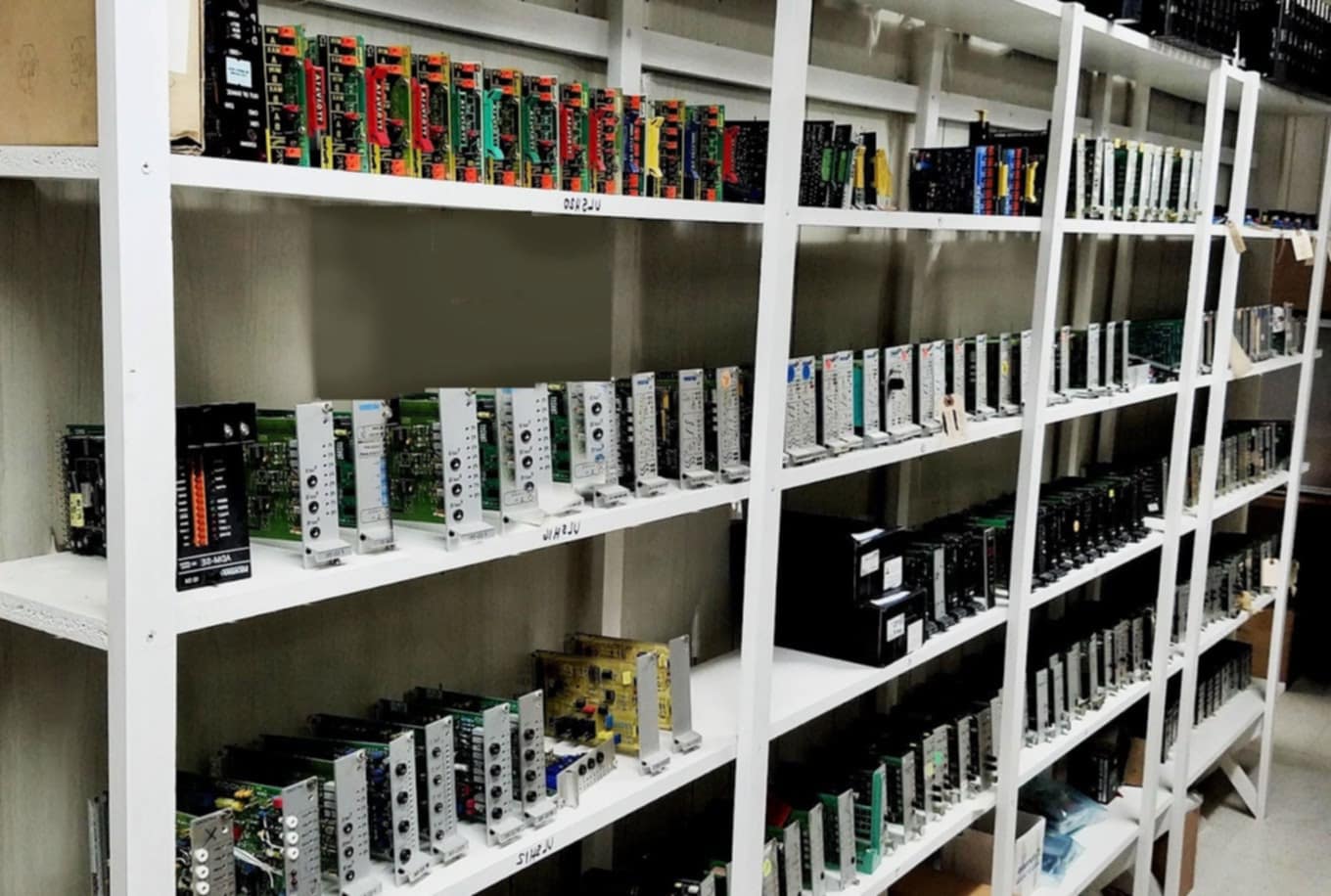
Stock is hit or miss, but legacy hardware shows up often enough that we can pull from past jobs when we have a match. Ask about a specific part number.
Gunner control display assemblies, fire-control electronics, and weapon-station switch panels. Bench inspection of indicator lamps, toggle and protected-cover switches, internal wiring, and Mil-spec connectors.
Bench-level component work on the hardware. Vehicle qualification, depot-process steps, and ITAR-controlled handling stay with the customer or contractor.
Brands
Top brands seen on armored-vehicle turret and weapon-positioning hydraulics. Click through for the dedicated brand page.
Common Faults
Armored vehicle servo valves run in vibration-heavy environments with wide temperature swings and occasional hydraulic contamination. Failures fall into the categories below.
| Pilot stage | Torque motor coil burnout, nozzle plugging from contamination, and null shift after long service. Drives erratic gun laying or stabilization wander. |
|---|---|
| Spool and body | Spool wear, contamination scoring on lap surfaces, sticky spool action, and internal leakage. Common after extended field service intervals. |
| Coil and feedback | Burned drive coils after surge events, feedback wire wear from vibration, and LVDT signal drift on closed-loop bodies. |
| Connector and electrical | Damaged connectors, cable strain at the entry point, and contamination on pins after years of field service in dust and moisture. |
Workflow
Same four-step path through the shop whether the unit came off a depot rebuild line or a maintenance pull from a tracked vehicle.
Call or email with the part number, equipment context, and a photo of the nameplate if it helps.
Tech opens the unit, inspects pilot and spool, and runs it on the hydraulic stand to confirm what failed.
We call back with the cost and a rough turnaround. Nothing is started without your sign-off.
Failed components replaced from inventory or off donors, the valve verified under pressure, and shipped back.
FAQ
Application-specific questions. For brand-specific FAQs, see the dedicated brand page in the brand list above.
Commercial servo valves and proportional valves used in tank and armored-vehicle hydraulics: turret stabilization, weapon positioning, active suspension, and tracked-vehicle controls. Bodies are commercial Moog, Parker, and Rexroth - not classified equipment.
Yes. Both turrets run Moog servo valves on elevation and azimuth control loops. The valves themselves are commercial hydraulic components and come through the bench for rebuild. The integrator handles vehicle qualification.
Servo valves come through the bench for depot maintenance facilities, prime defense contractors, and depot subcontractors handling fleet sustainment. NC Servo is independent and not affiliated with any military branch or contractor.
No. The servo valves on these platforms are commercial hydraulic components. NC Servo handles bench-level component repair on the hardware. ITAR-controlled handling, security clearances, classified processing, and program-level qualification stay with the customer or contractor.
No. Bench repair is the standard service: ship the valve to Westland, MI for rebuild and testing, then reinstall after return. Field work is not the typical offering.
Lead time varies job to job, partly because parts are often pulled from donor boards. Give us a call with the part number and the situation.
One year on parts and workmanship for repairs and rebuilt units. Standard exclusions apply for contamination, improper installation, and out-of-spec operation.
More from NC Servo
Other military pages, the broader category hubs, and the brand pages most-tied to armored-vehicle hydraulics.
Active suspension, remote weapon stations, and engineering-vehicle hydraulics.
Aircraft servicing, tow tractors, and flight-line hydraulic equipment.
Moog Type 30 Defense Series, 760, and broader Moog servo valve coverage.
Full directory of 20+ valve brands with dedicated pages.
Combined valve and drive repair coverage across hydraulic systems.
Plain-English explainer on what's inside an electrohydraulic servo valve and why these units come in for repair.
Contamination, hardened seals, blown coils, and the most common reasons servo valves fail in industrial service.
Give us a call or send a part number with the platform and the symptom. We'll check the donor pool, suggest a rebuilt match if we have one, and walk through repair or cross-brand options if we don't.