
Technical Resource
Servo Valve Failure Causes
Most hydraulic servo valve failures are not random. They usually follow identifiable patterns tied to contamination, electrical stress, wear, or system-level setup issues. This page helps teams isolate likely causes before deciding repair scope.
Common Failures
Most Common Root Causes
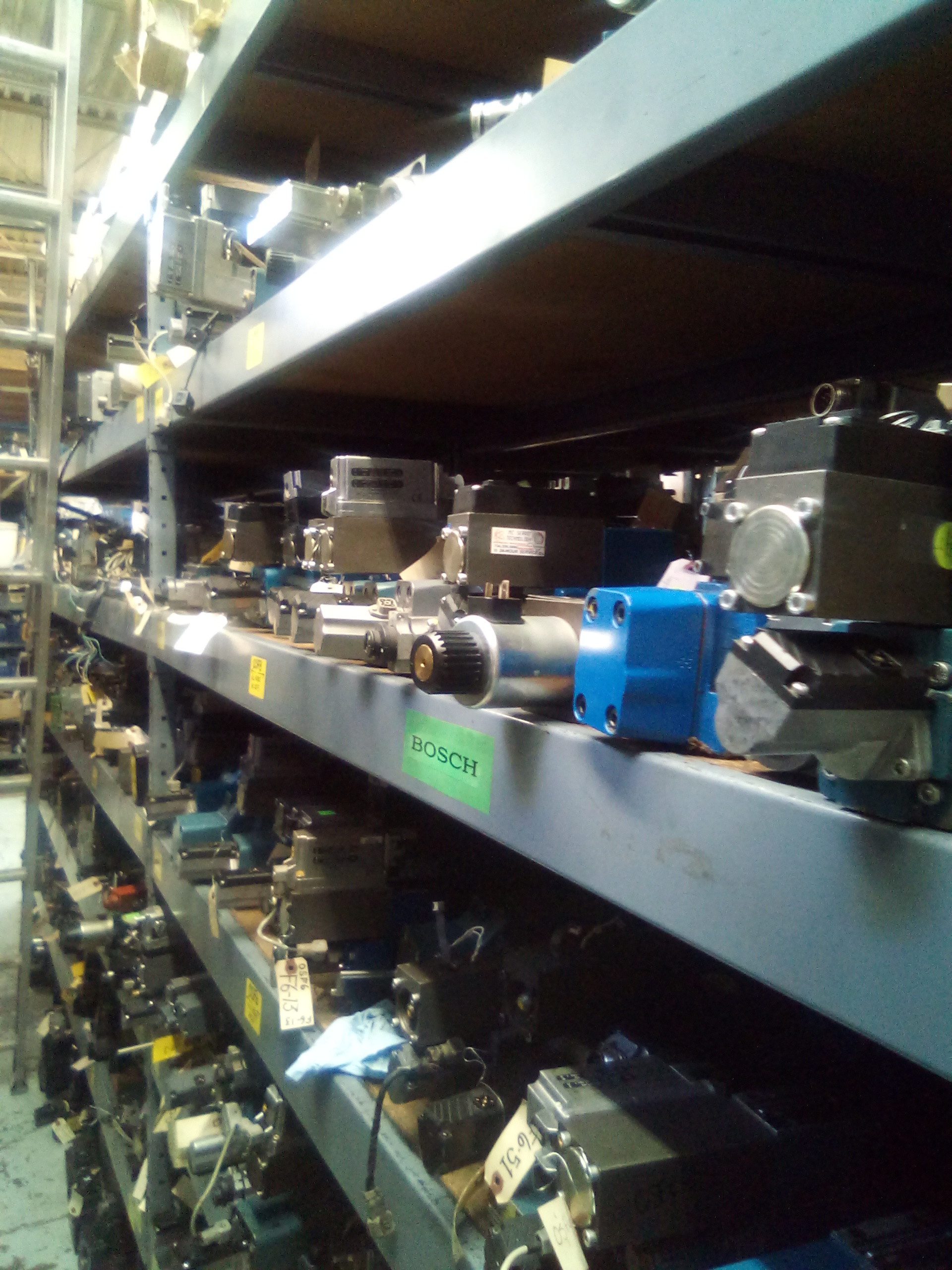
Fluid Contamination
Micro-debris often bypasses standard filters, causing "silting" that jams spools or erodes pilot nozzles, leading to drift and sluggishness.
Electronics Failure
Heat and vibration can cause onboard electronics to fail, coils to burn out, or feedback sensors to drift, mimicking mechanical failure.
Thermal Cycling
Frequent heat-up and cool-down cycles accelerate material fatigue and drift-sensitive component behavior.
System Mismatch
Incorrect tuning, pressure setup, or command scaling can create symptoms that look like valve failure.
Warning Signs
Early Warning Signs to Track
- Increasing command-to-response lag under identical process cycles.
- Unstable zero behavior or recurring null shift corrections.
- Intermittent oscillation, hunting, or unexplained drift events.
- Frequent alarms that clear temporarily after reset, then return.
- Performance drop after fluid changes or pressure setting updates.
Prevention
How to Reduce Repeat Failures
- Perform these checks only under your plant's lockout/tagout and hydraulic depressurization procedures, by qualified personnel. Improve contamination control and monitor fluid condition trend data.
- Verify electrical grounding, connector integrity, and power stability.
- Audit control loop settings after hardware replacement events.
- Capture standardized symptom notes before removing failed units.
Technical Guides
Related Technical Resources
Use these guides for troubleshooting and repair planning before finalizing a quote request.
FAQ